
Protecting What Matters: Customs on the Frontline
The pace of economic growth across Africa and its ambitions for integration demand that goods flow safely and securely across the continent and around the world. Growth is driven by trade; the stability of trade is delivered by Customs. In a world of accelerating trade and accelerating risk, the role of Customs has never mattered more.
When Customs administrations are equipped, connected, and prepared, the societies they protect are safer for it. However, the work of Customs officers is largely unseen and rarely recognized. Standing at the crossroads of global commerce and illicit trade, Customs plays a fundamental role in protecting lives and safeguarding livelihoods. The impact of Customs is measured not by visibility, but by absence: the dangers averted, the systems protected, and the stability preserved. In a world where exploitation of trade continues to grow, its role has never been more indispensable. Every interception Customs makes prevents a harm that society never has to face.
Customs’ vigilance has its greatest effect when it’s exercised by many – at the national, regional, and international level. This month, the World Customs Organization (WCO) and Customs administrations from across Sub-Saharan Africa will gather at two different meetings in Tanzania and Sierra Leone to advance common priorities and reinforce their collective role in protecting society.
Regional cooperation among Customs administrations, with the support of the WCO, is central to this effort. When Customs work together, they are stronger and more effective – delivering clear societal benefits: intercepting illicit drugs, weapons and ozone-depleting chemicals, removing counterfeit medicines and disrupting illegal financial flows.
Continuous capacity building and innovation
With the African Continental Free Trade Area (AfCFTA) established, the WCO supports its implementation by setting international standards and ensuring Customs administrations have the tools to facilitate trade and ensure safe, secure and resilient supply chains. In sharing best practices and innovations, we can jointly advance greater efficiencies and help realize the economic effects and practical benefits sought through the trade agreement. The EU-WCO Rules of Origin Africa Programme is one example of such efforts, as it has enabled the development of guidelines to support the private sector with practical implementation of the AfCFTA.
The WCO works diligently to promote real-world efficiencies in Customs procedures through the training of Customs officers, building expertise through mentoring and Master
Trainer programs, and ensuring effective employment of technology platforms for information sharing and intelligence.
In the past months, for example, WCO experts strengthened capacities and provided technical assistance to the first-ever 13 Master Trainers on Geospatial Intelligence (GEOINT) in West Africa, along with the creation of the first-ever GEOINT training materials for Customs. These Master Trainers are now supporting the training of 14 Customs officers from across eastern and southern Africa.
Through participation in WCO-led operations, we have seen an increase in enforcement capabilities. During Operation DEMETER XI, for example, the Gambia Revenue Authority seized a significant volume of illicit waste destined for communities in the region. During Operation STINGRAY, Angola Customs flagged a questionable cargo shipment of Iridium-192 (a highly radioactive source) destined for another country.
Earlier this year, in Kenya, the WCO provided five WCO Members with radiation detection awareness training to strengthen officers’ abilities to detect and respond to nuclear threats, with a focus on smuggling risks, types of materials involved, and concealment methods. Ongoing capacity development enables Customs to keep pace and adapt to changing methods of organized crime and emerging risks.
While different in their subject matter and scope, these examples all have something in common: they demonstrate the WCO promoting practical action to achieve the facilitation of legitimate trade and suppression of cross-border crime that can support Africa’s ambitions.
Commitment and Vigilance
The WCO is firm in its commitment to working with all partners to combat illicit trade and ensure supply chain integrity. We set our theme for 2026 as “Customs protecting society through vigilance and commitment” to emphasize to the public, and to the global trade community, that Customs’ daily vigilance and commitment to stemming the ever-evolving range of threats at borders is fundamental for economic and social prosperity – in Africa and around the world.
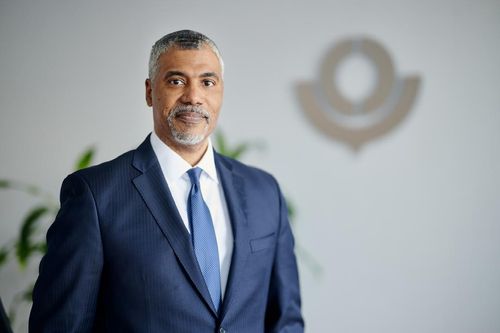
As Secretary General of the WCO, one of my goals is to raise awareness of why Customs matters. Beyond collecting revenue, Customs protect the safety, security and well-being of our societies – every single day.